Restorative Conversations
Guided meetings help learners understand impact, repair relationships, and recommit to better conduct.
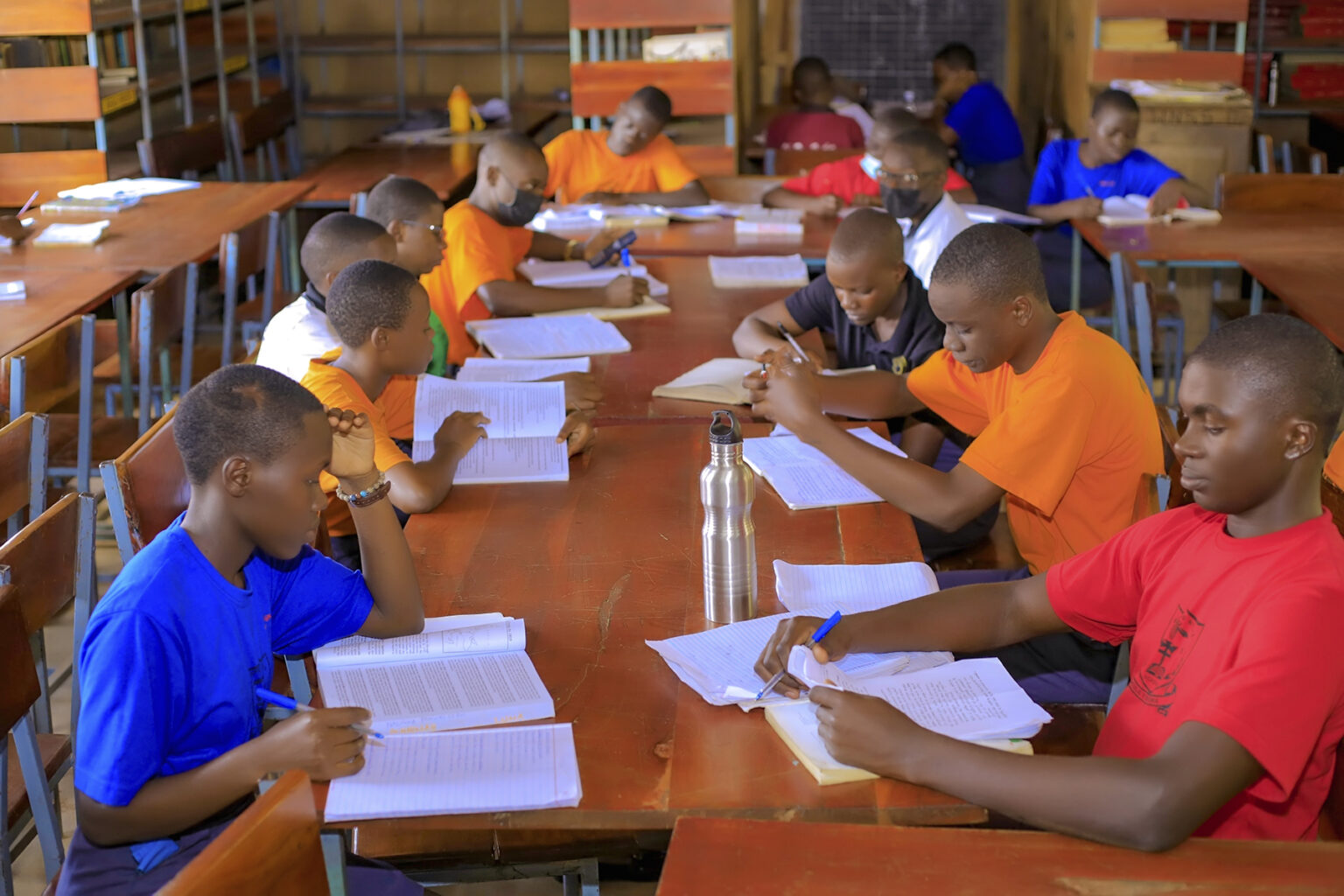
Disciplinary Committee
The committee supports student discipline through clear expectations, corrective initiatives, counselling, parental partnership, and practical learning materials.
Conduct pathway
1. Understand
Identify the conduct issue, context, and affected people.
2. Correct
Use reflection, guidance, restitution, mentorship, and proportionate consequences.
3. Restore
Track improvement and reconnect the learner to class, family, and school community.
Correction Initiatives
The focus is not only punishment. The goal is learning, responsibility, repair, and better choices.
Guided meetings help learners understand impact, repair relationships, and recommit to better conduct.
Structured reflection prompts help students identify choices, triggers, consequences, and next actions.
Teachers, chaplaincy, and counsellors support students through small-group correction and accountability.
Families are engaged early so correction is consistent between school, home, and pastoral support.
Learning Materials
These material slots can hold downloadable guides, classroom notes, reflection sheets, posters, and counselling handouts.
Guide
Core expectations for discipline, respect, attendance, uniform, safety, and responsible behaviour.
Worksheet
A learning tool for helping students own conduct, apologise clearly, and plan better responses.
Lesson notes
Materials for class teachers and mentors on pressure, friendship, boundaries, and self-control.
Learning brief
Guidance on online respect, privacy, cyberbullying, distraction, and responsible technology use.
Poster
Simple steps students can follow before conflict escalates: pause, report, listen, repair.
Checklist
Practical routines for punctuality, prep time, homework tracking, and personal organisation.